A regional climate label is not a vegetable calendar
A broad regional climate description summarises long-term context. It does not state today’s soil temperature, the last frost at a balcony or the time a tomato has left to ripen.
A station normal is not the plot minimum
Cold air can collect in a hollow while a nearby slope, coastal site or urban wall remains warmer. Normals summarise a period; current forecasts and direct observation answer different questions.
Count the warmth needed after planting
Being able to transplant is not the same as having enough season to ripen tomato, pumpkin, sweetcorn, kūmara or eggplant. Compare cultivar maturity, germination, soil warmth and likely autumn exposure.
Use season extension safely
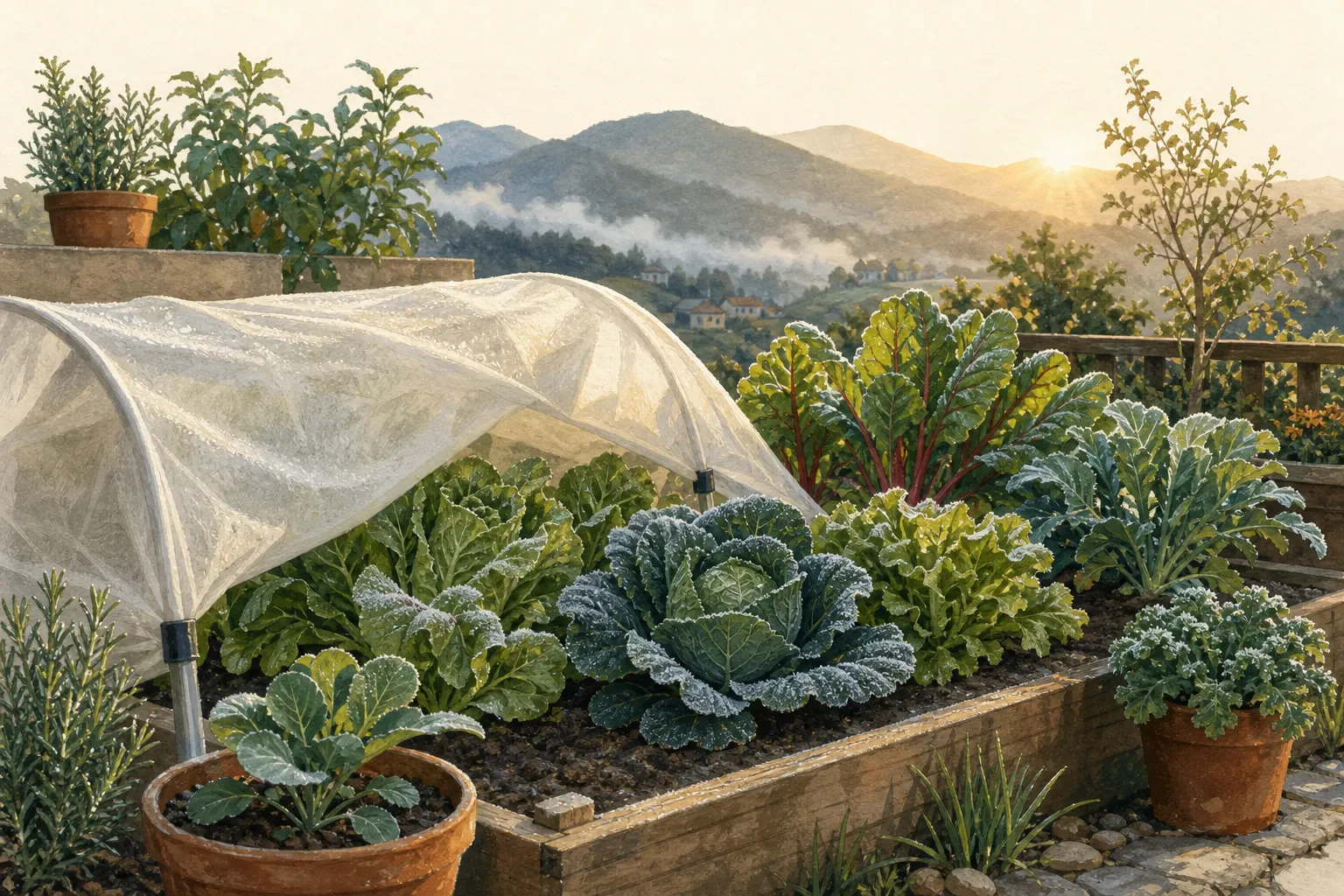
A cover must be stable, ventilated, kept away from heaters or flame and removed when it overheats or catches wind. It reduces some exposure but does not create a guaranteed climate.
Sources, scope and limits
Sources support the stated context. They do not turn a broad guide into individualized advice or transfer rights to reproduce the original material.
New Zealand English home food garden editorial synthesis — version 1
Global Garden Planner
Original eight-profile model, Southern Hemisphere planting bands and en-NZ corpus. It remains an editorial draft until independent New Zealand agronomic review is recorded.
Common climate and weather terms
Earth Sciences New Zealand / NIWA
Supports separating climate, normals, weather and Southern Hemisphere seasons. It does not supply crop thresholds or planting dates.
Regional climatologies
Earth Sciences New Zealand / NIWA
Supports recognising substantial regional variation in rain, wind, temperature and topography. The eight project profiles and every month band are original editorial synthesis pending review.