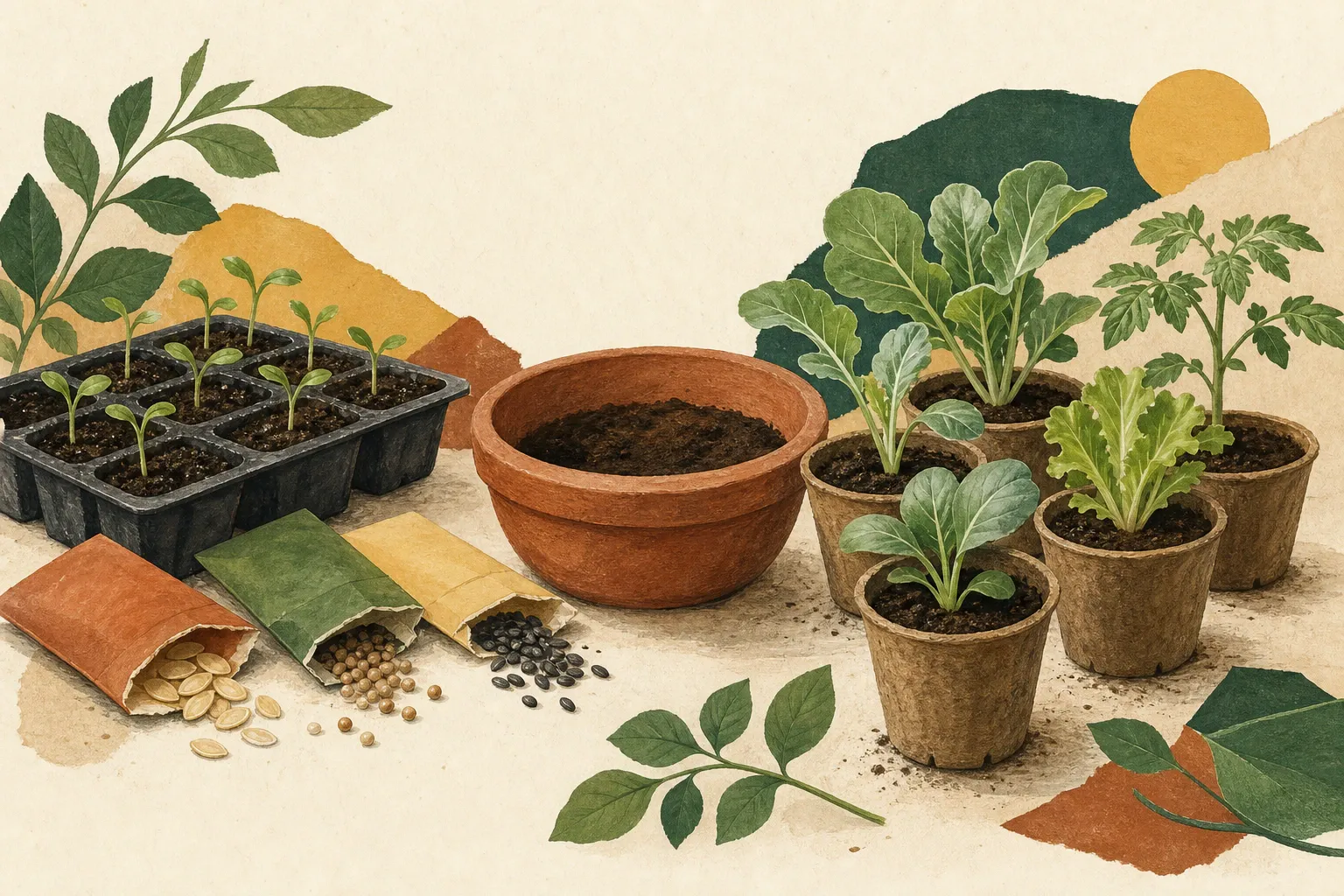
Use the crop and season to choose the starting method
Carrots, radishes, beans, peas, and other root-sensitive crops are commonly direct-sown. Tomatoes, peppers, broccoli, and other long or transplant-tolerant crops can benefit from a healthy young plant when the season fits.
A transplant saves early calendar time but does not make cold soil, extreme heat, or inadequate light suitable.
Read the full label
Confirm species, cultivar, lot or supplier information, germination or packing details where present, treatment status, maturity band, and instructions. Keep the packet until the crop is identified and established.
Inspect transplants before bringing them home
Look for compact growth, intact roots, even color, clear labeling, and absence of visible pests or severe damage. An oversized root-bound plant may not be ahead of a younger transplant.
Respect movement and import rules
Seeds, soil, cuttings, plants, fruit, and packing material can carry pests or be regulated across international, state, territorial, and quarantine boundaries. Check current USDA APHIS and destination requirements before ordering or moving material.
Sources, scope and limits
Sources support the stated context. They do not turn a broad guide into individualized advice or transfer rights to reproduce the original material.
United States home food garden editorial synthesis — version 1
Global Garden Planner
Original seven-profile model and localized corpus. It remains an editorial draft until an independent U.S. agronomic review is recorded.
Seeds and Plants
USDA National Agricultural Library
Supports checking labeled seed from reputable sources and distinguishes planting material quality from a calendar recommendation.
Non-compliant seeds: what you need to know
USDA Animal and Plant Health Inspection Service
Supports checking import and movement requirements and avoiding unidentified or non-compliant seed bought online.